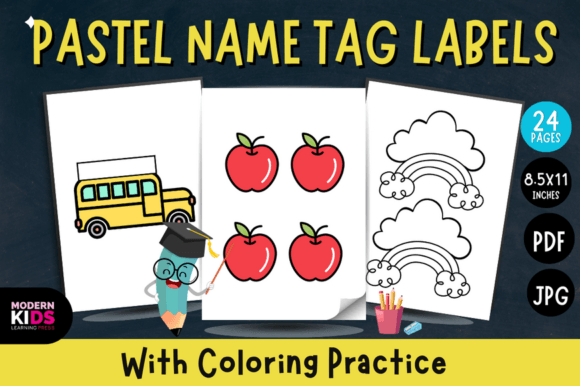
Pastel Name Tag Labels with Coloring Page
Back-to-school season brings both excitement and logistical complexity—especially for educators, homeschooling parents, and classroom coordinators juggling identification, engagement, and classroom culture all at once. That’s where Pastel Name Tag Labels with Coloring Page steps in: not just another printable, but a thoughtful bridge between practical organization and developmental learning.
These aren’t standard name tags. Each label features soft, calming pastel tones—think muted mint, blush pink, sky blue, and lavender—designed to reduce visual overwhelm while still standing out on cubbies, folders, or desks. More importantly, the border isn’t decorative only—it’s intentionally left open for coloring. Students add their own patterns, shapes, or motifs using crayons, colored pencils, or fine-tip markers. The result? A name tag that’s instantly recognizable *and* deeply personal—no two look alike.
Why Name Recognition Starts With Choice—and Color
For early learners (Pre-K through Grade 2), recognizing one’s own name is foundational—not just for literacy, but for autonomy and belonging. Traditional name tags often rely on adult-designed fonts and fixed layouts, which can feel impersonal or even intimidating to emerging readers. Pastel Name Tag Labels with Coloring Page flips that script: when children color their own borders, they spend focused time with the letters of their name—tracing its shape, sounding it out, noticing letter order. This isn’t passive labeling; it’s active rehearsal disguised as play.
In practice, this means less prompting during morning routines. A kindergartener who spent five minutes coloring their “Liam” tag last week is more likely to locate their coat hook independently today—because they’ve already seen, said, and interacted with those letters in a meaningful context.
Fine Motor Development, Built In
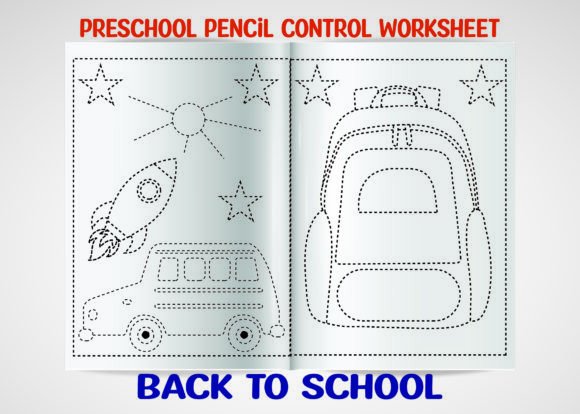
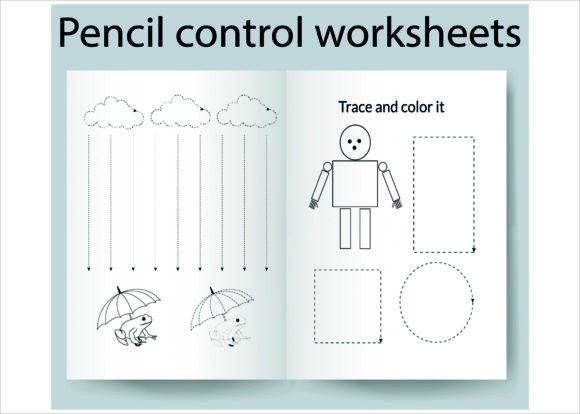
Coloring within defined borders strengthens hand-eye coordination and pencil control—skills directly transferable to writing, cutting, and other classroom tasks. Unlike broad coloring sheets, these labels offer compact, manageable spaces that match young children’s attention spans and motor capacity. The pastel palette also invites gentle pressure and layering techniques—ideal for building wrist stability without frustration.
Teachers report fewer requests for “help coloring” when using these labels versus full-page coloring sheets. Why? Because the scale feels achievable. There’s no “right way” to fill the border—stripes, dots, zigzags, or freeform scribbles all count. That openness supports confidence and reduces performance anxiety, especially for neurodiverse learners or those still developing executive function.
Practical Design, Real-World Flexibility
The digital file includes 24 pages (8.5" × 11") at 300 DPI—optimized for crisp printing on home or school printers. You’ll receive both PDF and high-resolution JPEG files, plus a layered PNG for craft-cutting machines like Cricut or Silhouette. That means you can cut precise circles, ovals, or custom shapes without manual trimming—saving 15–20 minutes per class set.
For durability, print on cardstock and laminate—or use adhesive-backed vinyl for reusable desk tags. Some educators apply them directly to water bottles or lunchboxes with removable tape, rotating names weekly to reinforce spelling variations (“Alex” vs. “Alexander”) or phonetic awareness.
Who Benefits Most—and How
Educators gain a low-prep, high-impact tool that serves dual purposes: classroom management *and* early literacy support. One set replaces separate name cards *and* coloring stations—reducing clutter and streamlining transitions.
Homeschooling families appreciate the adaptability: use labels for daily routine charts, chore boards, or even sensory bins (“Find your name tag and match it to the correct bin”). The pastel tones integrate seamlessly into Montessori or Reggio-inspired environments where aesthetics support calm focus.
Therapists and special educators find value in the predictable structure—the consistent placement of the name, the clear boundary of the coloring zone—which helps children with ADHD or autism navigate visual expectations without cognitive overload.
Small business owners running after-school programs or summer camps also use these labels for name badges that double as icebreaker activities (“Show us how you’d decorate your name!”). It’s a subtle way to spark conversation and build rapport before instruction begins.
A Note on Fit and Realistic Expectations
These labels work best for learners who are beginning to identify letters or write their names—even if just with approximations. They’re less effective for toddlers under three who aren’t yet drawn to symbolic representation, or for older students (Grade 4+) unless adapted with more complex border designs or thematic extensions (e.g., science-themed patterns for a biology unit).
Because they’re digital downloads, there’s no shipping delay—but users should verify printer compatibility, especially when using the PNG with cutting machines. Always test one page first: some inkjet printers may require slight margin adjustments for “print then cut” accuracy. And while lamination adds longevity, it does limit reusability for coloring practice—so consider using washable markers on laminated versions if you plan to rotate designs.
More Than Decoration—A Quiet Teaching Tool
What makes Pastel Name Tag Labels with Coloring Page stand out isn’t novelty—it’s intentionality. Every design choice serves a purpose: the pastel palette lowers sensory load; the open border invites agency; the consistent name placement builds visual memory; the digital format ensures accessibility across settings.
One first-grade teacher shared how she used the labels during “Meet the Teacher” night: families colored their child’s tag together, then placed it on a shared bulletin board. By Day 3, students were pointing to each other’s names unprompted—“That’s Maya’s flower border!”—turning peer recognition into joyful discovery.
That’s the quiet power here. These labels don’t shout for attention. They invite participation, honor individuality, and anchor learning in something tangible and joyful. For anyone supporting young learners—not just in September, but all year—they’re less about labeling space, and more about honoring identity, one pastel stroke at a time.