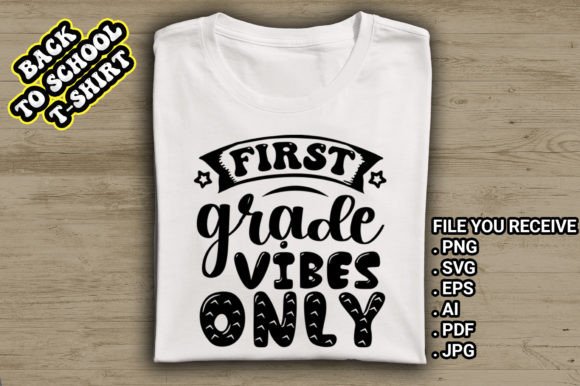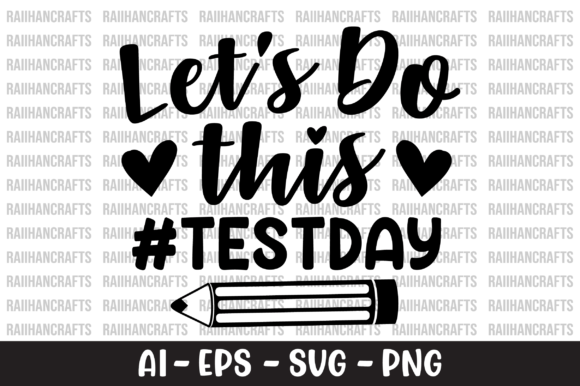
Let’s Do This SVG: A Practical, Multi-Use Vector Design for Everyday Creative Projects
“Let’s Do This” SVG is a clean, confident typographic vector design intended for broad creative application—not just as a slogan, but as a functional asset. Unlike decorative or overly stylized graphics, this file set prioritizes legibility, scalability, and compatibility across common production workflows. It’s built for creators who need reliable, ready-to-deploy assets without extensive editing—whether for client work, small-batch merchandise, classroom materials, or personal projects.
What You Actually Get—and Why File Variety Matters
The package includes four core formats in one ZIP archive: an AI (Adobe Illustrator) file, an EPS file, an SVG file, and a high-resolution PNG. Each serves a distinct purpose:
- AI and EPS files preserve full vector editability—ideal for designers adjusting spacing, font weight, or color in professional print or embroidery prep.
- SVG is optimized for web use, Cricut/Silhouette cut machines, and digital platforms that accept scalable vector markup—especially useful for layered web graphics or responsive mockups.
- PNG provides a transparent-background raster option at 300 DPI, suitable for quick uploads to print-on-demand platforms, social media banners, or presentation decks where vector support isn’t available.
This format diversity isn’t marketing fluff—it reflects real-world constraints. For example, many sublimation printers require PNG or EPS input, while crafters using Cricut Design Space rely heavily on SVG. Educators preparing back-to-school handouts may prefer the PNG for easy drag-and-drop into Google Slides or Canva. Having all four means less time converting and more time executing.
Real-World Use Cases Beyond T-Shirts and Mugs
While the listing highlights apparel and drinkware, the design’s utility extends further—particularly where clarity and positive tone matter:
- Back-to-school contexts: Used on teacher welcome posters, student name tags, or classroom bulletin boards—its bold yet friendly styling works for preschool through middle school environments.
- Event and milestone support: Fits naturally on graduation announcements, team challenge banners, or “support your friend’s big day” gift tags—without feeling generic or overused.
- Small business branding: Works well as a secondary graphic element—e.g., stitched onto tote bags for workshop attendees, or as a subtle watermark on printable planning sheets for coaches and consultants.
- Digital and hybrid workflows: The SVG integrates cleanly into Figma or Webflow prototypes; the PNG drops easily into email newsletter templates or PDF invitations.
It’s not designed to dominate a layout—but to reinforce intention. That makes it especially effective when paired with minimal photography or solid-color backgrounds, rather than competing with complex imagery.
Quality and Consistency Across Formats
All files maintain consistent kerning, stroke weight, and proportion—no unexpected clipping, stray anchor points, or misaligned layers. The AI file uses standard CMYK/RGB swatches (not spot colors), and text is outlined, eliminating font dependency issues. The SVG follows W3C-compliant structure, validating cleanly in browser dev tools and cutting software previews. The EPS exports cleanly to both newer and legacy RIP systems, which matters if you’re sending files to a local print shop unfamiliar with modern vector standards.
That consistency reduces friction. A freelance designer delivering files to a client doesn’t need to explain why the SVG looks different from the AI version. An educator reusing the design across multiple grade-level handouts won’t encounter rendering inconsistencies between devices.
Who Benefits Most—and When It Might Fall Short
This asset suits professionals and serious hobbyists who value efficiency over novelty:
- Educators and administrators building reusable back-to-school kits, orientation materials, or student encouragement resources—especially those working across pre-K, elementary, and early secondary settings.
- Small batch product creators selling custom mugs, totes, or iron-on transfers via Etsy or local markets—where speed-to-market and file reliability directly impact customer satisfaction and repeat orders.
- Coaches, therapists, and wellness practitioners designing motivational printables, session worksheets, or branded merchandise that communicates encouragement without cliché.
- Marketing freelancers supporting startups or nonprofits with limited brand guidelines—where a versatile, tone-appropriate phrase can fill gaps in visual identity without requiring custom illustration.
It’s less suited for projects demanding heavy customization—like logo integration or bilingual layouts—since it’s a standalone phrase, not a modular system. It also assumes your audience responds well to direct, action-oriented language; teams or brands leaning into irony, abstraction, or understated messaging may find it too literal.
Practical Integration Tips
To maximize longevity and reuse:
- Test before scaling: While vector files scale infinitely, preview how the design renders at very small sizes (e.g., 1.5" tall on a keychain) in your target software—some fine strokes or tight spacing may need manual adjustment below 24pt equivalents.
- Check color mode early: The included files default to RGB, which is appropriate for screen and most DTG printing—but convert to CMYK manually if supplying to offset printers handling large poster runs.
- Use the PNG for fast proofs: Before committing to a full cut or print run, drop the PNG into a mockup generator or physical sample template to verify contrast, alignment, and emotional resonance with your intended audience.
- Archive your edits separately: Don’t overwrite the original AI/EPS files. Save modified versions with clear naming (e.g., “LetsDoThis_Mug_WhiteBG.ai”) to avoid confusion later.
Also note: The ZIP requires extraction—WinRAR, 7-Zip, or native OS tools work fine. No proprietary software is needed to access the contents, and no license restrictions prevent commercial use on physical goods (always confirm current terms at time of purchase).
A Balanced Perspective on Long-Term Value
“Let’s Do This” SVG isn’t groundbreaking innovation—but it fills a practical gap. Many free or low-cost SVGs suffer from inconsistent spacing, unoptimized paths, or missing format variants, forcing users to troubleshoot instead of create. This package avoids those pitfalls. Its strength lies in predictability: you know what you’ll get, how it will behave, and where it will work.
For someone managing recurring seasonal projects—like back-to-school campaigns every August or graduation season in May—it’s worth keeping in a “go-to assets” folder. It saves time across iterations without sacrificing professionalism. And because it’s phrase-based rather than image-based, it ages well: unlike trend-driven illustrations, its relevance depends more on context than style cycles.
In short, this isn’t about owning a flashy design—it’s about having a dependable tool that does what it says, across platforms, without surprises.